

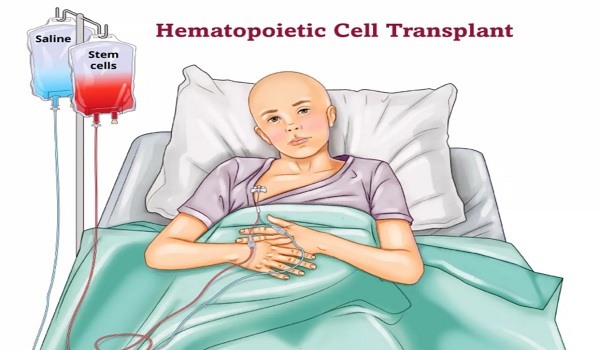
A study published in Science Translational Medicine analyses the long-term outcomes of patients who underwent hematopoietic stem cell transplantation (HSCT). The aim of the study is to understand how transplanted stem cells evolve and mutate over time.
Key findings of the study
- Mutation rate: The study included 16 pairs of donors and recipients. The mutation rate was surprisingly low: an average of 2% in donors and 2.6% in recipients per year.
- Clonal expansion: This finding indicates stable clonal expansion of stem cells for decades, indicating that all donors displayed some level of clonal hematopoiesis. The absence of extensive clonal expansion indicates the strong regenerative capacity of the bone marrow.
Implications
- Improve long-term transplant outcomes: This study is important for improving long-term transplant outcomes.
- Blood cancer risk: Recipients may have a potential increased risk of developing blood cancers or long-term disease due to the presence of clonal hematopoiesis.
- Note: Clonal hematopoiesis occurs when the number of one type of blood cell in the blood system increases compared to other types. Common examples include chronic myeloid leukemia and myelodysplastic syndrome (MDS).
Hematopoietic stem cells (HSC)
- Stem cells: These are specialized cells that can develop into cells that perform other specialized functions.
- Hematopoietic stem cells (HSC): These are immature cells that are capable of developing into all types of blood cells, such as white blood cells, red blood cells, and platelets. HSC were first discovered for use in humans in the 1950s.
- Location: Hematopoietic stem cells are located in the peripheral blood and bone marrow, also known as blood stem cells.
Transplantation of HSCT
- Purpose: Healthy hematopoietic stem cells are provided to patients with inactive or impaired bone marrow.
- Advantage: Hematopoietic stem cell transplantation can save lives of people suffering from blood cancers. After transplantation, the donated stem cells help balance the recipient’s blood cell production system.