

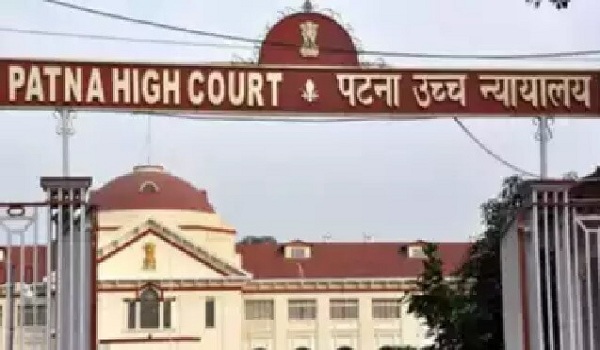
Patna High Court struck down the Bihar government’s decision to increase the reservation quota from 50% to 65% for Backward Classes (BC), Extremely Backward Classes (EBC), Scheduled Castes (SC) and Scheduled Tribes (ST) in educational institutions and government jobs.This move by the Bihar government has raised important questions about the legal limits on reservation policies in India. Other states having reservations above the 50% limit are Chhattisgarh (72%), Tamil Nadu (69%).North-eastern States including Arunachal Pradesh, Meghalaya, Mizoram and Nagaland (80% each).Lakshadweep has 100% reservations for STs.
Background of the High Court’s Ruling
- In November 2023, the Bihar government issued gazette notifications to raise the quota for deprived castes from 50% to 65%.
- This decision was taken following a caste-based survey report, which showed the need for increased representation of BC, EBC, SC and ST communities.
- The Bihar Assembly unanimously passed the Bihar Reservation Amendment Bill in November 2023 to implement this 65% quota.
Key Arguments in Court Verdict
- A Public Interest Litigation (PIL) was filed challenging the Bihar government’s decision to increase reservations beyond 50%.
- The Patna High Court ruled that the 65% quota violated the 50% limit set by the Supreme Court in the Indira Sawhney case (1992).
- The court argued that the state government’s decision was not based on “adequate representation” in government jobs, but on the proportional population of these communities.
- The court also noted that together with the 10% Economically Weaker Sections (EWS) quota, the bill has pushed total reservation to 75%, which is unconstitutional.
Need for Extended Reservation in Bihar
Socio Economic Backwardness of the State
- Bihar has the lowest per capita income in the country (below USD 800 per year), which is 30% of the national average.
- It has the highest fertility rate and only 12% of the population lives in urban areas, compared to the national average of 35%.
- The state has the lowest college density in the country and 30% of the population lives below the poverty line.
Inadequate Representation of Backward Classes
- SC, STs and Backward Classes constitute 84.46% of Bihar’s population, but their representation in government jobs and education was not proportionat
- Other Alternatives to Extending Reservation Limit:
Building a Strong Foundation
- Implement recommendations from the Right to Education (RTE) Forum to improve early childhood development (ICDS centres), enhance teacher training, and shift towards interactive and technology-integrated learning methods.
Skilling Bihar’s Youth for the Future
- Develop skill-building programs aligned with growing industries alongside fostering entrepreneurship through programs like the SIPB (Single-window Investment Promotion Board) to attract businesses and create a vibrant job market.
Infrastructure for Inclusive Growth
- Invest in improved irrigation systems to tackle floods and droughts, and develop a robust transport network connecting rural and urban areas.
Empowering All Residents of States
- Promote women’s education, skill development, and financial inclusion to increase their participation in the workforce and achieve greater social equality. Enforce laws more strictly to tackle social stratification and promote social harmony.
Reservation
- Reservation is a form of positive discrimination, created to promote equality among marginalised sections and to protect them from social and historical injustice.
- It gives preferential treatment to marginalised sections of society in employment and access to education.
- It was also originally developed to correct years of discrimination and to give a boost to disadvantaged groups.
Pros and Cons of Reservation:
| Aspect | Pros | Cons |
| Social Justice | Provides opportunities for historically disadvantaged groups (SCs, STs).Levels the playing field by addressing historical injustices.Increases social mobility and representation in government. | Can be seen as perpetuating the caste system.May not be reaching the most deserving within reserved categories.Raises questions about efficiency and effectiveness |
| Meritocracy | Can incentivise excellence within reserved categories. | May lead to the selection of less qualified candidates over more qualified general category candidates. |
| Representation | Ensures diverse voices in government and institutions.Promotes social inclusion and national integration. | May not reflect current socio-economic realities (wealthy individuals within reserved categories) |
| Creamy Layer | Exclusion of creamy layer (wealthy) within reserved categories attempts to target the most disadvantaged. | Defining and identifying the creamy layer can be challenging.Also there is opposition from particular groups like SC and STs. |
| Economic Upliftment | Reservation in education can lead to better job prospects for reserved categories | Does not directly address economic disparities |