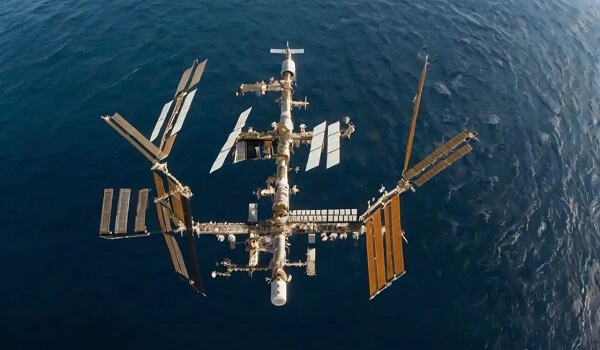
China approved the construction of the first South China Sea deepwater ‘space station’.
This cold seep ecosystem research facility will be below the 2000m surface in the South China Sea.
The facility will be one of the deepest and most technologically complex underwater installations.
It will become fully operational by around 2030. It will have room for six scientists on missions that will last as long as a month.
This planned facility will be used to study cold seep ecosystems.
The South China Sea holds 70 billion tonnes of methane hydrates.
It has many rare mineral deposits, including cobalt and nickel concentrations three times higher than land-based mines.
This facility will have a long-term life support system that will be needed if scientists are to build and operate a permanent monitoring network to track methane fluxes.
The scientists on board the facility will be able to conduct real-time experiments and adjust protocols in extreme conditions.