

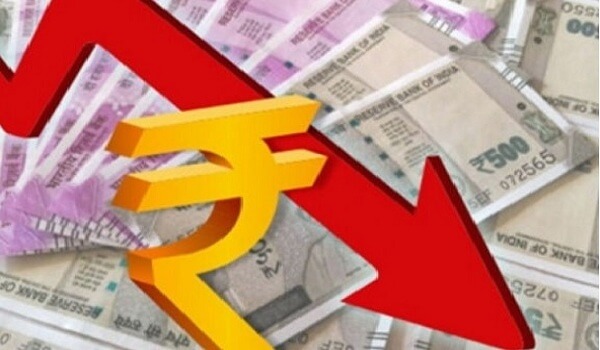
The exchange rate of the Indian rupee has crossed the level of 85 against the US dollar. This means that now ₹ 85 will have to be paid to buy $1. In April, this rate was around ₹ 83, whereas a decade ago, when Prime Minister Narendra Modi took office, this rate was around ₹ 61.
Devaluation of Rupee
- When the value of a country’s currency decreases against another currency, it is called currency depreciation. The Indian rupee has also weakened against major currencies, especially the US dollar, from time to time.
Reasons for devaluation of rupee:
- Increase in crude oil prices: Rising crude oil prices in the global market have increased India’s import expenditure, which has put pressure on the rupee.
- Capital flow to China: Foreign investors (FPIs) are withdrawing their investments from India and moving towards China. China’s new monetary and fiscal policies have boosted their economy.
- This change is being called the “Sell India, Buy China” strategy.
- Rising demand for the dollar: The rupee has fallen further due to higher demand for the US dollar by foreign banks.
- Weakness in domestic market: Weakness in India’s stock and bond markets has reduced the confidence of foreign investors, which has further put pressure on the rupee.
Effects of rupee devaluation
Effect on exports and imports
- A weak rupee can increase exports by making Indian products cheaper in the foreign market.
- But imports become expensive, especially essential items like oil and machinery.
Burden of foreign debt
- For companies and the government whose debt is in foreign currency, repaying the debt becomes expensive.
Inflation
- Due to expensive imports, the prices of everyday items can increase, which affects the purchasing power of common people.
Investor confidence
- A depreciation in the rupee can reduce foreign investor confidence, leading to a reduction in foreign direct investment (FDI) and capital inflows.
RBI’s role in rupee stability
Intervention in the foreign exchange market
- RBI buys or sells dollars by intervening in the foreign exchange market.
- Its purpose is to prevent excessive fluctuations in the value of the rupee.
Monetary policy adjustment
- RBI controls capital flows by changing interest rates.
- Higher interest rates attract foreign investment, which keeps the value of the rupee stable.
Foreign exchange reserve management
- RBI maintains adequate foreign exchange reserves.
- It is used to stabilize the rupee during times of volatility.