

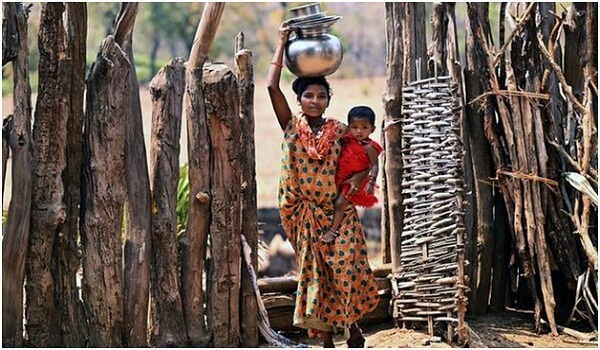
According to reports, during the conflict between left-wing extremists and the state-sponsored Salwa Judum, the Muria tribes migrated from the Dandakaranya region of Chhattisgarh and settled in the reserved forest areas of Andhra Pradesh. However, they have access to primary education, safe drinking water and social welfare benefits. Access remains a dream and they now face the threat of displacement.
Main point
- The township is located within the ‘Red Corridor of India’ on the Naxalism-infested Andhra Pradesh-Chhattisgarh border as an oasis within a reserved forest that bans settlement and deforestation. They are protected by strict laws.
- They migrated from Sukma, Dantewada and Bijapur districts of Dandakaranya region of Chhattisgarh and settled in the then East and West Godavari districts.
- The Muria settlements are known as Internally Displaced People (IDP) settlements, whose population is around 6,600 in Andhra Pradesh and the Murias here are called ‘Gutti Koya’ by the native tribes.
- According to a survey conducted by a group of non-governmental organizations (NGOs), there are 1,621 Muria families in the state.
Salwa judum
- It is a group of tribal/tribal people organized to resist the illegal armed Naxalites. The group was allegedly supported by the government machinery in Chhattisgarh.
- In 2011, the Supreme Court of India ruled against arming civilians in this manner and banned Salwa-Judum and directed the Government of Chhattisgarh to disband any militia forces established to combat Maoist guerrillas.
Muria tribe
- Muria is an indigenous tribal, Scheduled Tribe Dravidian community of Bastar district of Chhattisgarh, India. They are part of the Gondi people.
- These people speak Koya, which is a Dravidian language.
- He has a progressive approach towards marriage and life as a whole. The biggest example is the ghotul (a commune or hostel), which aims to create an environment for Muria youth to understand their sexuality.
Internally displaced people
- IDPs are individuals or groups of individuals who have been forced to flee or leave their homes or places of habitual residence specifically as a result of or affected by armed conflict, situations of generalized violence, violations of human rights or natural or man-made disasters. and who have not crossed the internationally recognized limit.